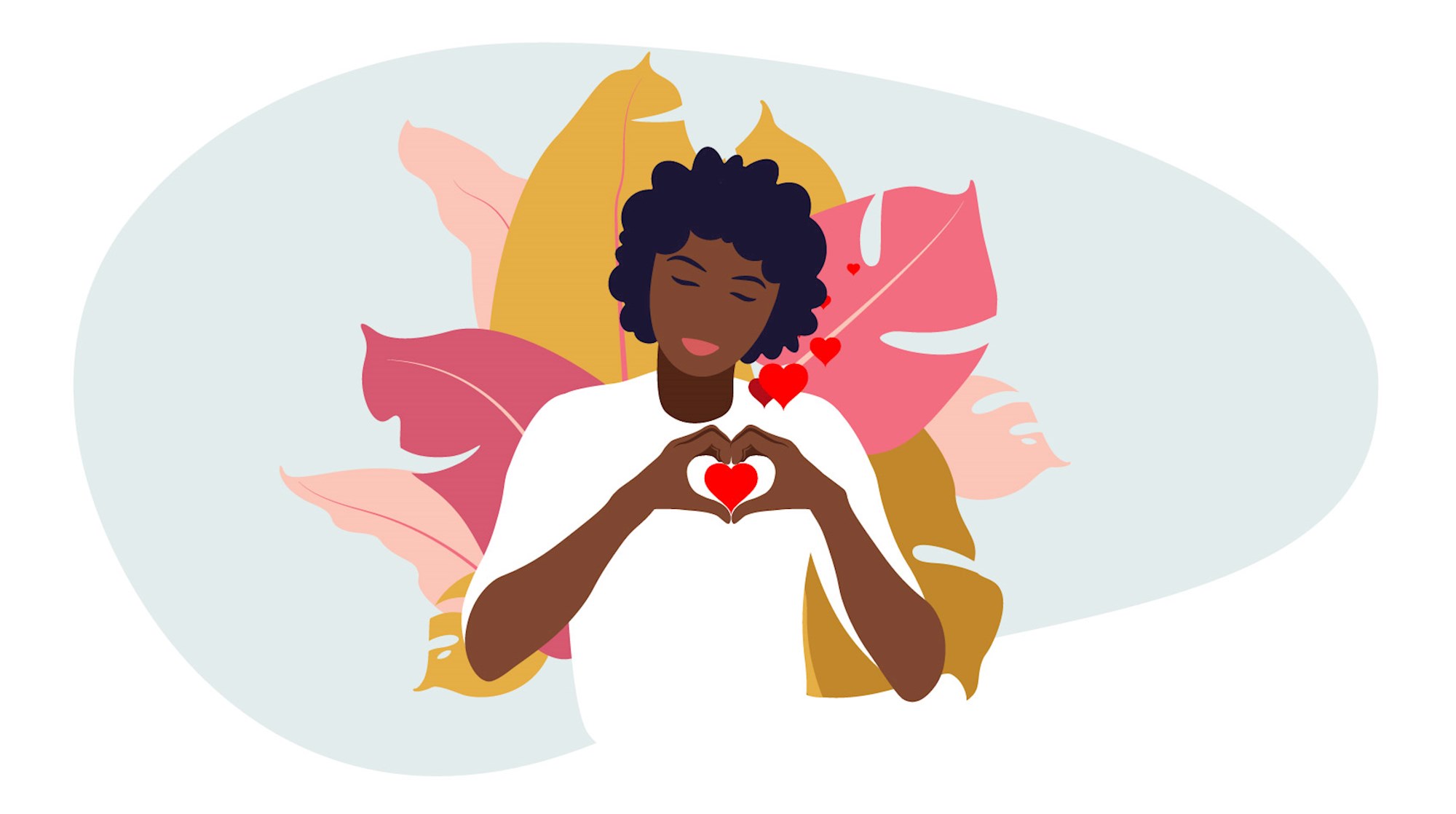
It's Okay to Be Kind to Yourself: Breaking Negative Self-Talk in Young Adults
4/24/2026
By Serena M.
Do you also have that little voice in your head that tells you that you aren’t good enough or smart enough? That little voice is lying to you.
Negative self-talk is something that many people deal with daily. You don’t have to let it control your life. One of the most important skills you can develop is learning to be kind to yourself.
Notice When You're Being Mean to Yourself
The first step to breaking the habit of negative self-talk is recognizing when it is happening. Pay attention to your inner dialogue, especially when you feel like something is challenging or you’ve made a mistake. Does that little voice call you stupid, tell you you won’t be able to succeed, and assume the worst about you?
Negative self-talk often presents as all-or-nothing thinking, catastrophizing, or hyperfocusing on the negatives. Over time, this leads to a negative mindset shift that can seriously affect your confidence. Once you start noticing patterns of negative self-talk, you can challenge them. You’ll start feeling your confidence grow as this habit shrinks.
Pro tip: Give that negative voice a name like Kevin. When you think, "I'm such a failure," you can respond with, "Thanks, Kevin, but I'm not listening to you today, sir." It sounds weird, but separating yourself from the negative voice makes it easier to dismiss.
Talk to Yourself Like You'd Talk to a Friend
Unsure if you’re dealing with negative self-talk? Here’s a simple test: would you say the things that ‘Kevin’ is telling you to someone you care about? If your best friend made a mistake, would you call them a failure or worthless? If your little sister were struggling to learn a hard concept, would you tell them they’re stupid and should just give up? Probably not.
Here’s another way you can think about it. If that voice in your head, Kevin, were an actual person, would you want to hang out with them? Kevin is a constant critic of your behavior; he points out your flaws and tells you that you aren’t good enough. In real life, Kevin would be a seriously nasty person. Would you stay friends with him, or cut him off because he is a bully?
Practicing compassion for yourself means you treat yourself with the same kindness, understanding, and patience you’d naturally show to others. When you’re being hard on yourself, pause and think about what you might say to a friend in the same situation. Replace those harsh thoughts with what you’d say to a friend in the same situation.
Challenge the Negative Thoughts
Negative thoughts often feel true, but these feelings aren't facts. When a negative thought pops up, question it. Where's the evidence behind this?
If you’re thinking to yourself, “I’m terrible at cooking,” challenge it and think: “I may struggle with cooking, but I’m good at baking. If I can bake, this skill is something I can improve on with the right recipes and guidance.” That isn’t toxic positivity; it is an honest, balanced attempt to guide your thoughts in a kinder direction. By replacing the default, negative script you know with something better, you will feel more confident in yourself and get more done.
Be Patient With Yourself
Breaking negative self-talk takes time and practice. You'll still have days when your inner critic is loud. That's normal.
What matters is that you continue showing up for yourself, challenging the negative thoughts, and choosing kindness. You deserve the same compassion you give others. Start treating yourself that way today, one thought at a time.
About the Author: My name is Serena. I am a transition-aged youth in Northeast Ohio who is learning how to navigate adulthood one step at a time alongside all of you. I have faced my fair share of challenges, but I have learned from each experience. I want to share how I see the world, advocate for myself, and keep moving forward. My story is still being written, and it’s rooted in growth, resilience, and figuring things out as I go.